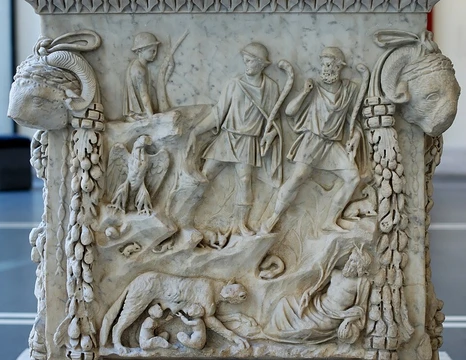
Cornucopia
A symbol of abundance and nourishment from classical antiquity.

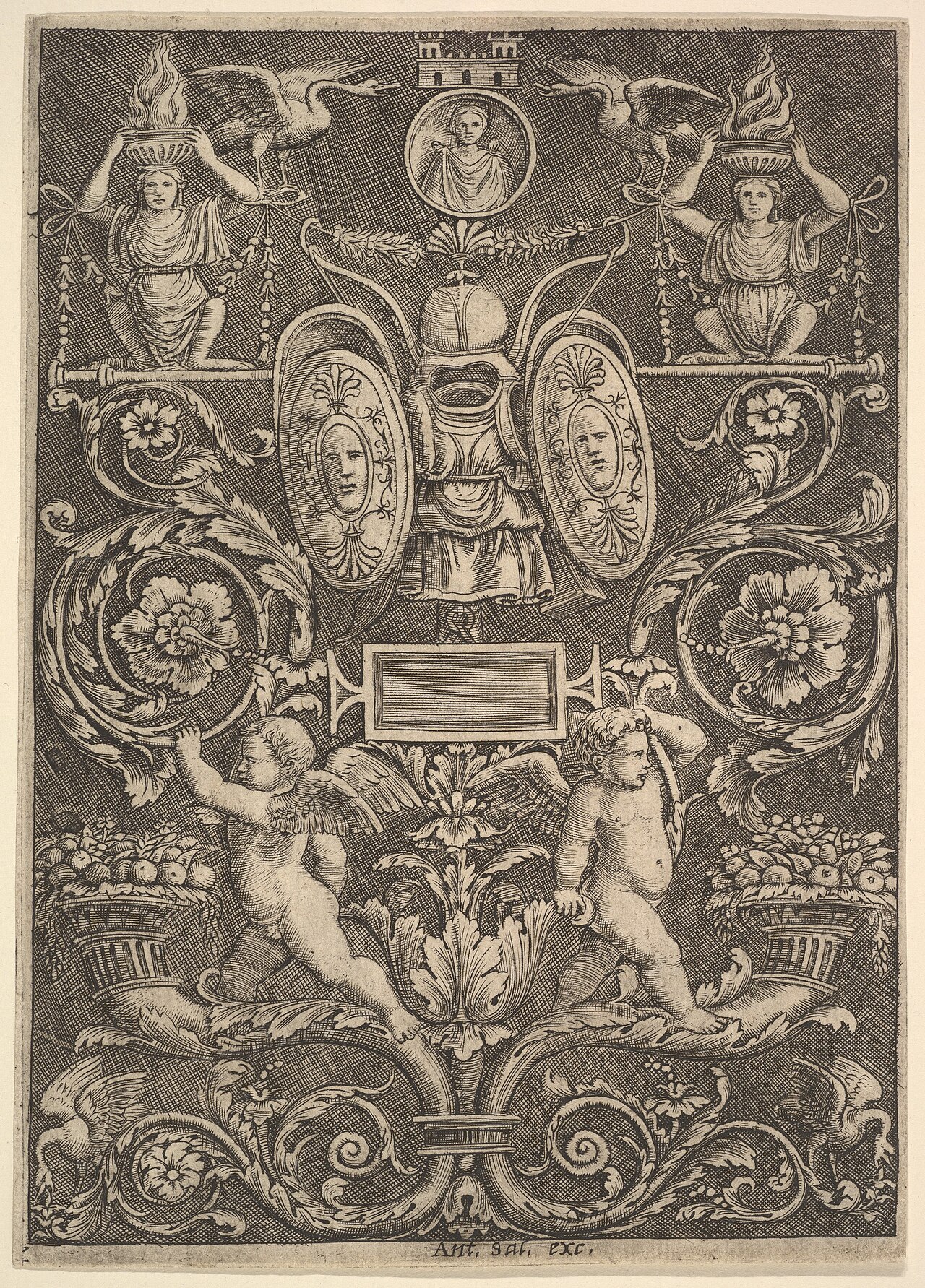
Master of the Die / Perino del Vaga / Antonio Salamanca · CC0
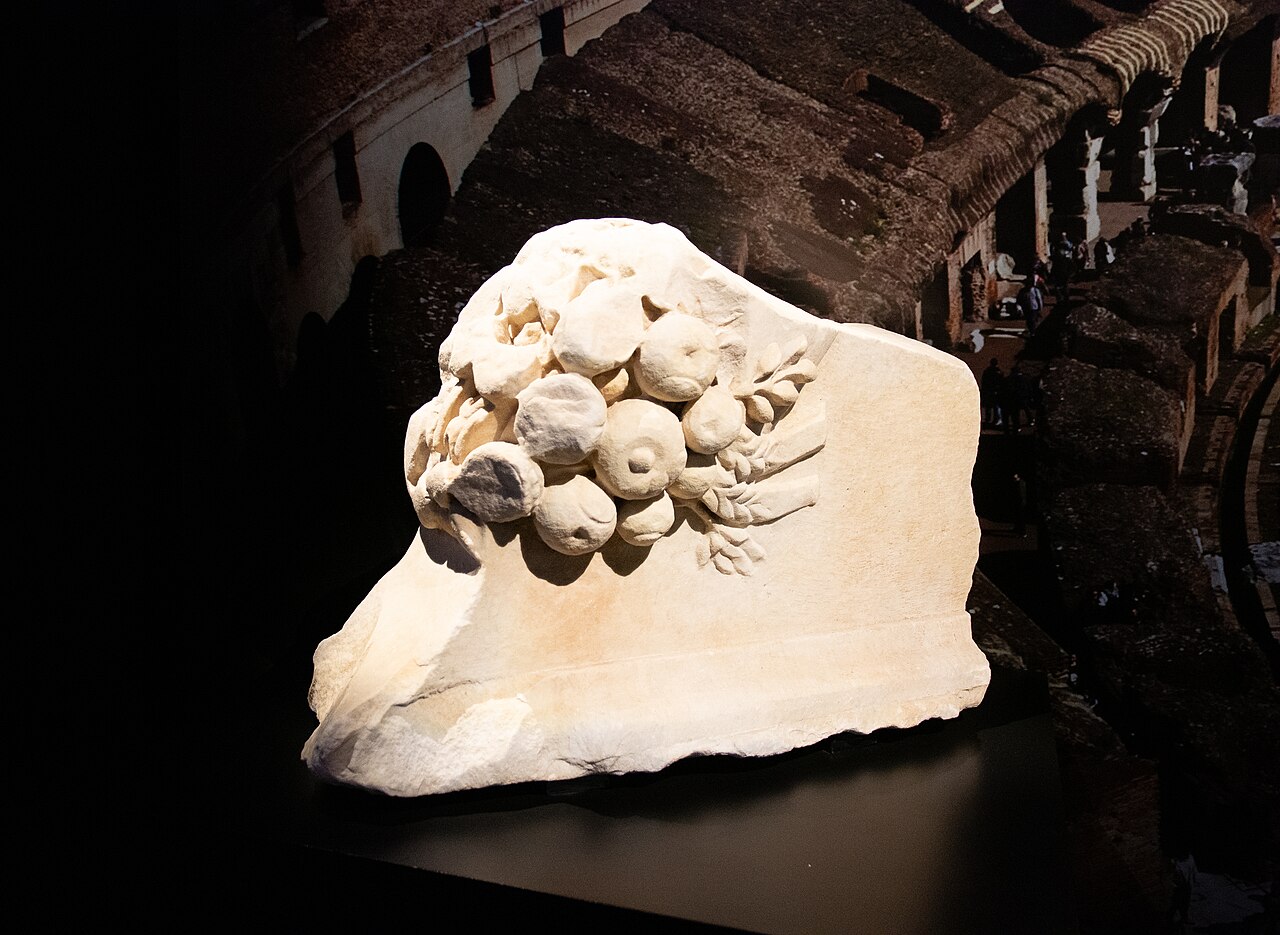
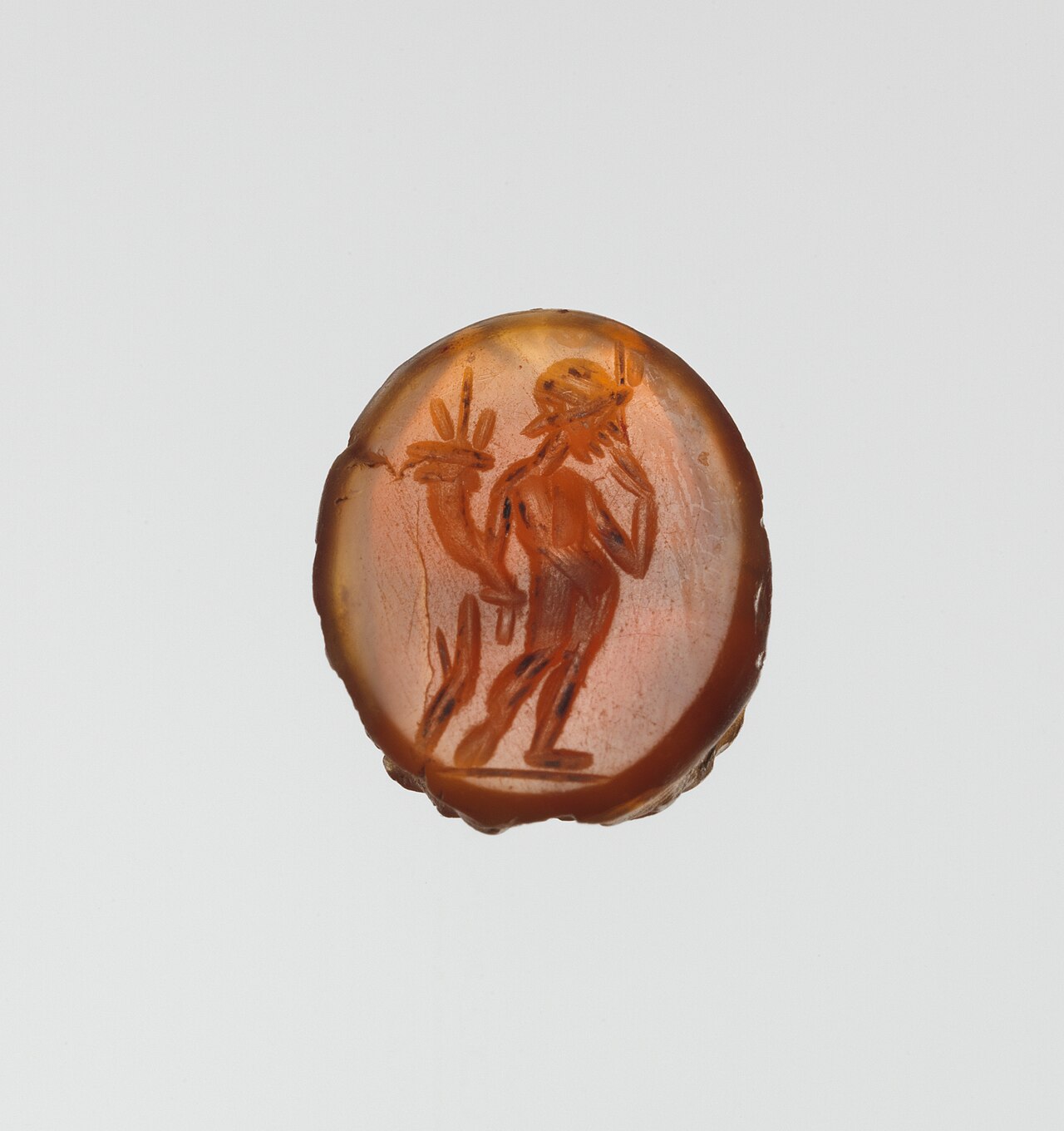
The cornucopia, also called the horn of plenty, is a symbol of abundance and nourishment originating in classical antiquity. It is commonly depicted as a large horn-shaped container overflowing with produce, flowers, or nuts, and has been associated with various deities and myths.
- associated_deities
- Gaia, Terra, Plutus, Demeter, Maia, Fortuna, Abundantia, Annona
Lore & Background
In classical mythology, the cornucopia has multiple origin stories. One well-known myth involves the infant Zeus, hidden from his father Cronus on Mount Ida in Crete. The goat Amalthea nursed him, and when Zeus accidentally broke off one of her horns, it gained the divine power to provide unending nourishment. Another myth tells of Heracles wrestling the river god Achelous and breaking off one of his horns; that horn was then given to the nymphs (or the Aetolians) and became the cornucopia.
Reader's Guide
The cornucopia became an attribute of several Greek and Roman deities associated with harvest, prosperity, or spiritual abundance, including Gaia, Terra, Plutus, Demeter, Maia, Fortuna, Abundantia, Annona, and Hades. In the Septuagint version of the Book of Job, the youngest daughter of Job is named Keren-happuch, which is rendered as 'horn of Amalthea,' a term Pliny the Elder identified with the cornucopia. In modern times, the cornucopia is typically a hollow, horn-shaped wicker basket filled with festive fruit and vegetables, and is strongly associated with Thanksgiving in North America. It also appears in flags, state seals, and coats of arms of various regions, including Idaho, North Carolina, Colombia, Panama, Peru, Venezuela, Victoria (Australia), and Kharkiv (Ukraine). The symbol has been used in modern literature such as Terry Pratchett's Wintersmith and Suzanne Collins's The Hunger Games, and remains a symbol of fertility, fortune, and abundance.
Did You Know?
- The cornucopia is also called the horn of Amalthea, after the goat who nursed Zeus.
- In one myth, Heracles wrestled the river god Achelous and broke off one of his horns, which was then given to the nymphs and became the cornucopia.
- The cornucopia appears in the flag and state seal of Idaho and the Great Seal of North Carolina.
- The Septuagint version of the Book of Job translates the name of Job's youngest daughter Keren-happuch as 'Amaltheias keras' (horn of Amalthea), though the Hebrew name actually means 'horn of antimony' or 'horn of paint.
Mythological Origins: Two Horns, Two Stories
The cornucopia's mythological roots are as layered as the symbol itself, with at least two distinct origin narratives surviving from the ancient world. The most celebrated story centers on the infant Zeus, who—threatened by his father Cronus's appetite—was smuggled to a cave on Mount Ida in Crete. There, the goat Amalthea, titled the Nourishing Goddess, sustained the baby with her milk. During one of his playful bouts, the young god accidentally snapped off one of her horns. That broken horn, imbued with the same boundless nourishing power Amalthea herself possessed, became the first horn of plenty. A second tradition credits Heracles, who, after a fierce struggle with the river god Achelous, tore away one of the deity's horns—river gods being occasionally portrayed with horned heads. This latter scene found visual life in the mural Achelous and Hercules, painted by American Regionalist Thomas Hart Benton. Both accounts share a common thread: the horn's abundance is born from a violent or accidental separation, transforming a wound into an inexhaustible source of sustenance.
Divine Associations and Iconographic Reach
Once established in myth, the cornucopia became a versatile iconographic attribute across the Greco-Roman pantheon, signaling abundance, harvest, and spiritual wealth. It appears in the hands of Gaia and her Roman counterpart Terra, personifications of the Earth; Plutus, the youthful god of riches who was Demeter's son; the nymph Maia; and Fortuna, the goddess of luck whose domain included the power to bestow prosperity. The symbol's reach extended into Roman Imperial cult practice, where abstract deities embodying the peace and material well-being of the empire—Abundantia, the personification of Abundance, and Annona, guardian of Rome's grain supply—were routinely depicted cradling the horn. Even Hades, ruler of the underworld in mystery-religion contexts, was portrayed as a bestower of agricultural, mineral, and spiritual wealth, often shown holding a cornucopia. The name itself, drawn from Latin cornu (horn) and copia (abundance), or the Greek kéras Amaltheías, encapsulates this broad theological function: a single image that could represent the bounty of soil, the fortune of cities, or the hidden riches of the earth beneath our feet.
Biblical Echoes and Literary Resonances
The cornucopia's symbolic vocabulary crossed well beyond the classical world, leaving traces in both sacred and secular texts. In the Septuagint, the Greek translation of the Hebrew Bible completed around the second century BC, the youngest daughter of Job is named Keren-happuch, rendered as Amaltheías Kéras—the horn of Amalthea. The Roman naturalist Pliny the Elder explicitly linked this biblical name to the cornucopia, suggesting the symbol had already permeated Hellenistic Jewish culture. Yet not all ancient readers embraced the mythological reading. The fourth-century bishop Gregory of Nyssa cautioned that the term should not be taken as evidence for the Greek tale of Amalthea; rather, he argued, it served to underscore the virtuous character and striking beauty of Job's daughter. In the modern era, the motif resurfaces in speculative fiction—Terry Pratchett's Wintersmith and Suzanne Collins's The Hunger Games both weave cornucopia imagery into their narratives—while the horn of plenty also appears as a popular motif in body art, reinforcing its enduring association with fertility, fortune, and abundance.
From Harvest Pannier to National Emblem
Before it became a mythological or political symbol, the cornucopia had a deeply practical origin. In western Asia and Europe, harvesters used horn-shaped baskets or panniers to carry newly gathered food. Worn on the back or slung across the torso, these containers freed the worker's hands for continued picking—a design as functional as it was evocative. Today, the modern cornucopia typically takes the form of a hollow wicker basket brimming with seasonal fruit and vegetables. In much of North America, it has become virtually inseparable from Thanksgiving and the autumn harvest. The name also lends itself to place and event: Whistler, British Columbia, hosts an annual November food and wine festival called Cornucopia. Governmental heraldry embraces the symbol as well—Idaho's flag and state seal display two cornucopias, North Carolina's Great Seal shows Liberty and Plenty holding one, and the coats of arms of Colombia, Panama, Peru, Venezuela, Victoria, Australia, and Kharkiv, Ukraine all feature the horn as a mark of prosperity.
Gallery



Frequently Asked Questions
Is Cornucopia a Roman goddess?
No — the cornucopia (horn of plenty) is not a deity but a symbolic object representing abundance and nourishment. In Roman art and ritual it appears as an attribute carried by several gods and goddesses, including Ceres, Fortuna, and Abundantia, rather than as a standalone character.
What is the origin myth behind the Cornucopia?
The most widely told version involves the infant Hercules: either his mother Hera spilled milk into a horn in a fit of rage, or he broke the horn from the goat Amalthea that had nursed him; in either case the horn then filled endlessly with food. This Greek narrative was absorbed into Roman iconography as a general emblem of divine plenty.
Which Roman deities are linked to the Cornucopia?
Roman sources associate the horn of plenty with Ceres (harvest), Fortuna (fortune), Abundantia (abundance), Plutus (wealth), and Annona (grain supply). It also appears as an attribute of Terra and Maia in various sculptural and numismatic depictions.
What does the Cornucopia symbolize in Roman culture?
It stands for agricultural fertility, material plenty, and the gods' ongoing provision of food to the community. In Roman art it is typically rendered as a curved horn brimming with grain, fruit, or flowers, visually reinforcing the idea that the divine sustains the people.
How is the Cornucopia different from a mere decorative motif?
In Roman religious practice the horn of plenty carried real ritual weight, appearing on temple reliefs, coinage, and harvest festivals as a tangible pledge of divine favor. Its presence on an altar or in a votive scene signaled a specific prayer for agricultural or economic prosperity rather than serving only as ornament.
More in Roman mythology 1-24
Spotted an error? Know more?
This is a living reference — every entry is fact-audited, and reader corrections feed straight into our audit queue. Suggest an edit · See this site's audit record